 In this glossary, you will find the definitions for commonly encountered water terminology to help you better understand water testing and basic water chemistry principles. A Acid Chemical compound with a pH less than 7 and the ability, when in solution, to react with...
 Since boiler water polymer treatments are composed of organic molecules, they are susceptible to thermal degradation at high cycles of concentration, especially over 50 cycles. Polymer treatments also are subject to degradation by oxygen at the temperatures...
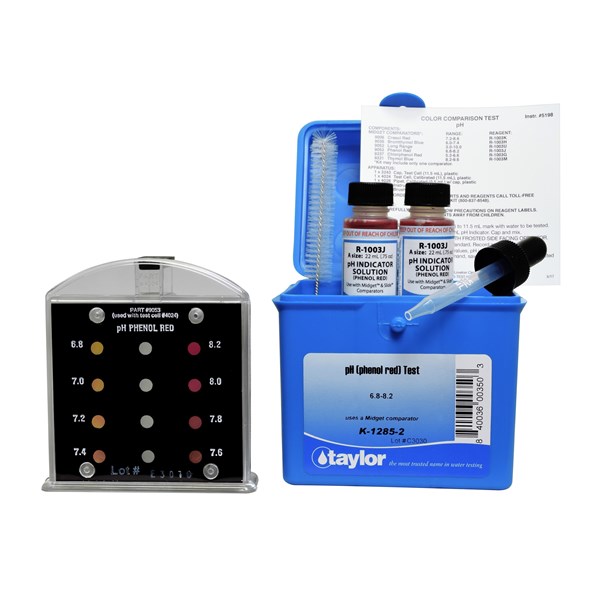 Technique is one of the keys to accurate, repeatable, and reliable test readings. Follow these guidelines for your best results. Procedures Familiarize yourself with the instructions before beginning a test—especially when it’s new to you—and follow them...
 Water testing is not rocket science. Even 16-year-old lifeguards do it successfully all the time. But on the other hand, you can’t sleepwalk through a procedure and still expect to get accurate results. Here are the five sources of error in water analysis....
 Start the swim season with fresh reagents, and replace missing instructions and any broken, faded, or stained equipment. WHY? Reagents are perishables. Just like a head of lettuce or the pills in your medicine cabinet, the chemicals in a test kit (or on a test strip...
 Generally speaking, colour-matching tests and drop-count titrations give straightforward answers. However, sometimes you may encounter situations that are a bit puzzling. Here, we answer some questions we’ve heard on our technical support line. My test results...
